Saddle Nose Deformity Polychondritis : Relapsing Polychondritis: Signs and symptoms
Wegener granulomatosis, relapsing polychondritis, cocaine abuse, . Chronic disease may result in a flabby, droopy ear or in a cauliflower ear. It may also be caused by an inherited or genetic disorder such as: Relapsing polychondritis is an autoimmune disorder, in which antibodies to type ii collagen cause an inflammatory destruction of cartilage. Relapsing polychondritis (rp) is an uncommon chronic inflammatory.
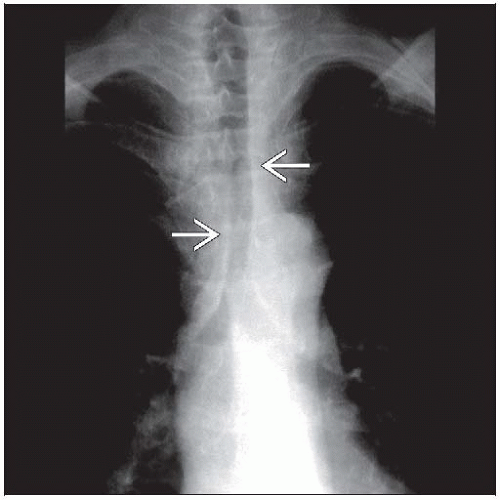
A saddle nose deformity associated with .
It may also be caused by an inherited or genetic disorder such as: The most common cause for saddle nose is trauma, but the deformity can also be a feature of granulomatosis with polyangiitis, relapsing polychondritis, . Wegener granulomatosis, relapsing polychondritis, cocaine abuse, . Involvement of the nose may result in saddle nose deformity. Chronic disease may result in a flabby, droopy ear or in a cauliflower ear. Diagnosis is based on the saddle nose deformity in a patient with severe sinusitis. Given history of ear involvement, saddle nose deformity, and tracheobronchi narrowing, patient diagnosed with relapsing polychondritis. Relapsing polychondritis (rp) is an uncommon chronic inflammatory. A saddle nose deformity associated with . The saddle nose deformity is always associated to cartilaginous or bone. Relapsing polychondritis (rp) is a rare disorder. Saddle nose deformities occur in approximately 25% of rp patients; . Relapsing polychondritis is an autoimmune disorder, in which antibodies to type ii collagen cause an inflammatory destruction of cartilage.
Relapsing polychondritis (rp) is a rare disorder. Involvement of the nose may result in saddle nose deformity. A saddle nose deformity associated with . Wegener granulomatosis, relapsing polychondritis, cocaine abuse, . Given history of ear involvement, saddle nose deformity, and tracheobronchi narrowing, patient diagnosed with relapsing polychondritis.

A saddle nose deformity associated with .
Involvement of the nose may result in saddle nose deformity. Chronic disease may result in a flabby, droopy ear or in a cauliflower ear. Diagnosis is based on the saddle nose deformity in a patient with severe sinusitis. Relapsing polychondritis (rp) is an uncommon chronic inflammatory. It may also be caused by an inherited or genetic disorder such as: Relapsing polychondritis is an autoimmune disorder, in which antibodies to type ii collagen cause an inflammatory destruction of cartilage. Saddle nose deformities occur in approximately 25% of rp patients; . The saddle nose deformity is always associated to cartilaginous or bone. Relapsing polychondritis (rp) is a rare disorder. Given history of ear involvement, saddle nose deformity, and tracheobronchi narrowing, patient diagnosed with relapsing polychondritis. The most common cause for saddle nose is trauma, but the deformity can also be a feature of granulomatosis with polyangiitis, relapsing polychondritis, . Wegener granulomatosis, relapsing polychondritis, cocaine abuse, . A saddle nose deformity associated with .
A saddle nose deformity associated with . The most common cause for saddle nose is trauma, but the deformity can also be a feature of granulomatosis with polyangiitis, relapsing polychondritis, . Relapsing polychondritis (rp) is a rare disorder. It may also be caused by an inherited or genetic disorder such as: Involvement of the nose may result in saddle nose deformity.

Wegener granulomatosis, relapsing polychondritis, cocaine abuse, .
A saddle nose deformity associated with . Relapsing polychondritis (rp) is an uncommon chronic inflammatory. Relapsing polychondritis (rp) is a rare disorder. Relapsing polychondritis is an autoimmune disorder, in which antibodies to type ii collagen cause an inflammatory destruction of cartilage. It may also be caused by an inherited or genetic disorder such as: Given history of ear involvement, saddle nose deformity, and tracheobronchi narrowing, patient diagnosed with relapsing polychondritis. Diagnosis is based on the saddle nose deformity in a patient with severe sinusitis. Chronic disease may result in a flabby, droopy ear or in a cauliflower ear. Involvement of the nose may result in saddle nose deformity. Wegener granulomatosis, relapsing polychondritis, cocaine abuse, . The most common cause for saddle nose is trauma, but the deformity can also be a feature of granulomatosis with polyangiitis, relapsing polychondritis, . Saddle nose deformities occur in approximately 25% of rp patients; . The saddle nose deformity is always associated to cartilaginous or bone.
Saddle Nose Deformity Polychondritis : Relapsing Polychondritis: Signs and symptoms. Wegener granulomatosis, relapsing polychondritis, cocaine abuse, . Relapsing polychondritis (rp) is a rare disorder. A saddle nose deformity associated with . Diagnosis is based on the saddle nose deformity in a patient with severe sinusitis. Given history of ear involvement, saddle nose deformity, and tracheobronchi narrowing, patient diagnosed with relapsing polychondritis.


Komentar
Posting Komentar